The purpose of a signage system is to allow people to navigate comfortably within an establishment and take advantage of all it has to offer. A successful signage system for this museum will marry the structure of the building with the collections it displays. The system will also be comprehendible by an audience that comes from multiple backgrounds and cultures. This signage system combines the Neoclassical structure of the building with aspects of the ancient Egyptian culture to bring new life, color, and coherence to the museum.
MATERIAL
Granite was not only widely used by the ancient Egyptians, but also during the Neoclassical era. Therefore, the material that best supports the overall concept of the signage system is granite. A synthetic granite material has been chosen for its properties of being more durable than actual granite, making it very easy to clean and maintain.
INSTALLATION
One of the important characteristics of the signage system is to be easily removable, replaceable and rearrangable. Each sign will be installed in a ‘framework’ and will be able to click and lock into place, making the system not only safe but versatile to accommodate continuous changes that occur within the museum.
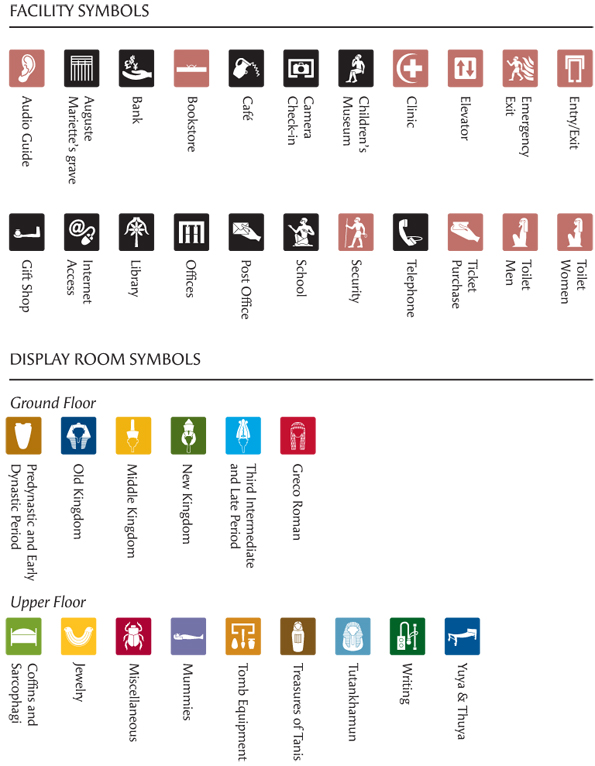
ICONIC SYMBOLS
The use of iconic symbols is the most effective way to communicate to all languages and cultures. The idea of using ancient Egyptian hieroglyphics to identify the various collections in the museum as well as its facilities, bridges the communication gap and lends itself well to the concept behind the signage system.
COLOR
Color is a great way to identify and unify several different display rooms that have a common theme or time period. A color code system has been created to help differentiate multiple time periods displayed on the lower floor, and various themes displayed on the upper floor.
TYPES OF SIGNS
There are eight different types of signs that make up the complete signage system, consisting of approximately 330 signs in total. With the exception of ‘Display Room Identification’ and 'Guideline' signs, signs located indoors will be the color of the outside of the building, and signs located outdoors will be black, in turn unifying the establishment.
*note: the photographs below have been digitally modified to incorporate the concept of the signage system. 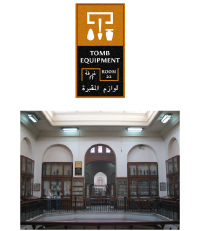 Display Room Identification Display Room Identification
Signs which will unify collections that are spread amongst different rooms, while identifying each display room with the room name, number, symbol and color.
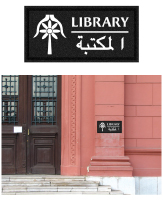 Facility Identification Facility Identification
Signs which will identify the museum’s facilities.
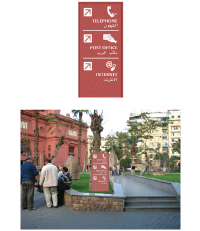 Directional Directional
Signs which will provide directions. Directional signage becomes increasingly important in emergency situations, allowing visitors to direct themselves to emergency exits, or to the clinic.
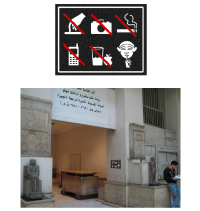 Guideline Guideline
Signs which will remind people of guidelines.
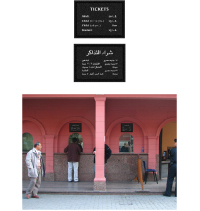 Ticket Price Ticket Price
Signs which will indicate ticket prices.
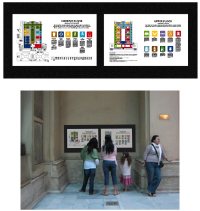 Main Map Main Map
Signs which will provide a clear layout of the museum’s display rooms and facilities. The structure of these signs will allow frequent and easy updates by inserting a new printed map from behind.
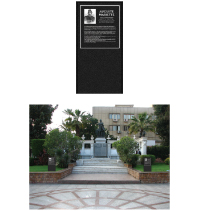 Auguste Mariette Auguste Mariette
Signs which will provide information about the 24 famous Egyptologists, including Auguste Mariette, who pioneered the Supreme Council of Antiquities which led to the existence of the museum.
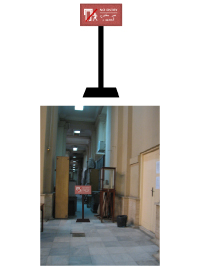 Free-Standing Free-Standing
Signs which can be placed wherever necessary throughout the museum; as public spaces change frequently.
|